Spider Solitaire
- 4.5
- Rating
- 1.00M
- Installs
- Free
- Price

 Analysis by App-foxy
Spider Solitaire is the kind of card game I open when I want something familiar, quiet, and easy to pause. It comes from PubRev+ and focuses on Spider Solitaire rather than trying to become a large collection of unrelated card games. That narrow purpose is a strength: the rules stay central, the screen is not overloaded, and a short session can fit naturally into a coffee break or a few minutes before bed.
My overall impression is positive, especially if you enjoy arranging cards at your own pace. The game is free to download, rated for Everyone, and has built a sizeable audience, with more than a million installs and an average rating of 4.5 from roughly twenty thousand ratings. Those figures do not replace personal testing, but they do suggest that the basic experience works well for many casual players.
How the card experience feels in everyday play
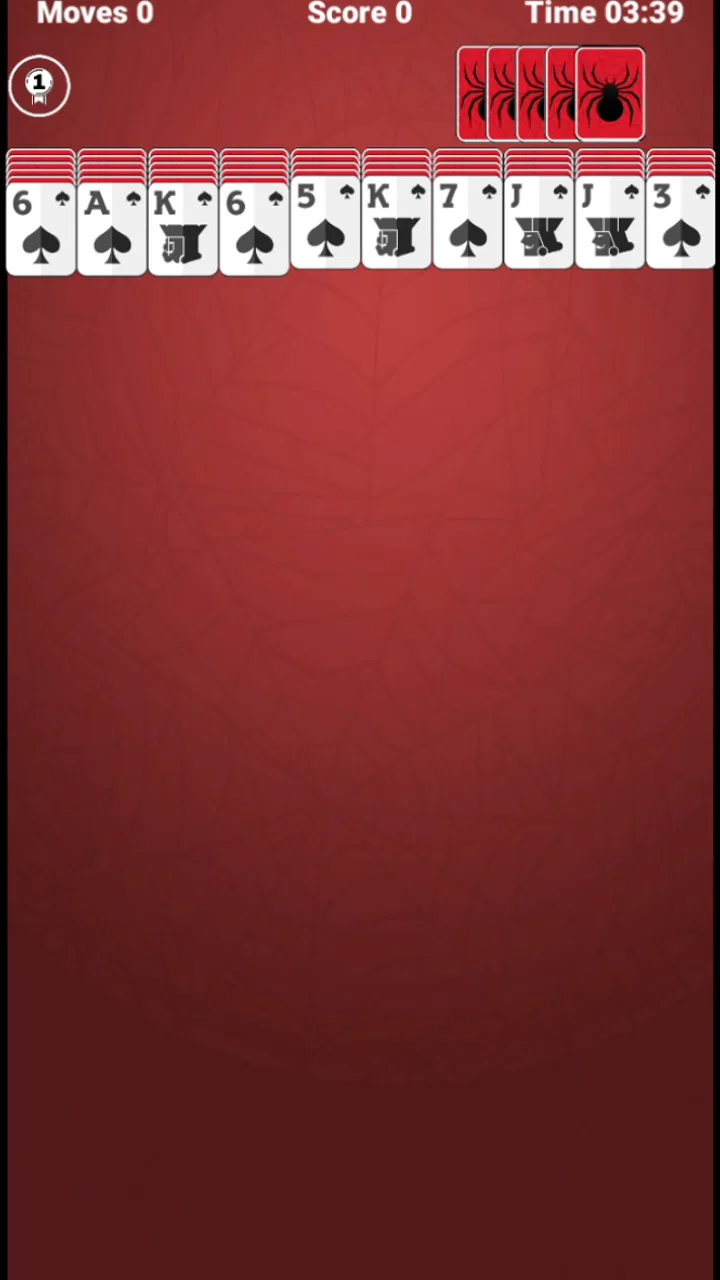
The main appeal is the familiar Spider format, where the satisfaction comes from building orderly sequences and gradually clearing the tableau. I like that the game can feel relaxing without becoming completely passive. Each move still asks me to look ahead, protect useful cards, and decide whether a temporary rearrangement will create a better path later.
You May Also Like

 Blood Strike: 2.5 Anniversary
Blood Strike’s Loadouts Turn Every Drop Into a Tactical Gamble
A close look at Blood Strike’s custom loadouts: how fast access to signature weapons reshapes its battle royale rhythm, rewards preparation, and narrows the gap between fights.

 Pandora - Music & Podcasts
Pandora’s Music Is Easy to Start, but Harder to Recover
Pandora’s strength is its low-effort path from a seed to a station. Its weak spot is how much confidence it asks you to place in connection, setup, and quiet recovery.

 8 Ball Pool
 Is Built on Rivalries, Rematches, and Routine
A close look at the rivalries, rematches, shared routines, and unanswered safety questions that turn a quick pool match into a persistent mobile community.

 Samsung Music
’s Quiet Strength Is Playing What You Already Own
Its reach comes less from spectacle than from dependable access to a personal library. That simplicity is both the app’s strongest retention engine and its ceiling.

 AccuWeather: Weather Radar
AccuWeather Review: A Quick, Clear Forecast for Everyday Decisions
For everyday plans, the best forecast is the one you can understand quickly. AccuWeather makes rain timing, radar, and local conditions easy to act on, with a few trade-offs.

 Hill Climb Racing
Why Hill Climb Racing Still Turns Crashes Into One More Run
A tiny car, a bumpy hill and one more upgrade: Hill Climb Racing keeps resurfacing because its simple chaos makes every near-miss feel personal.
More From Our News Desk



The available range of one to four suits gives the game a useful difficulty curve. One suit is a comfortable starting point and works well when I want a low-pressure round. Moving toward more suits makes planning much more important because cards are harder to combine cleanly. The difference is not merely cosmetic: additional suits make careless moves more expensive and make the order of operations matter.
That range also makes the game suitable for different moods. I can choose an easier layout when I am tired, then switch to a more demanding setup when I want a proper puzzle. Players who already know Spider Solitaire will probably spend most of their time in the harder settings, while newcomers have room to learn without being thrown immediately into the most complicated version.
The relaxing music and themes support the slower pace. I found that combination better suited to quiet play than to competitive sessions. It gives the game a softer atmosphere, although players who prefer complete silence or who listen to podcasts may want to manage the audio experience before settling into a long session.
A practical routine for better decisions
One useful habit is to avoid treating every available move as equally valuable. I first look for moves that uncover a hidden card or create an empty column, because those changes usually improve future flexibility. A sequence that merely shifts cards around can feel productive while leaving the actual position no better than before.
Empty columns deserve special care. They are not just spare storage; they are temporary working space. I try not to fill one immediately unless the move helps expose a card or combine a meaningful sequence. Keeping that space available can be more valuable than completing a small arrangement early.
Another practical tip is to inspect the tableau before committing to a long run of moves. In the easier suit settings, it is tempting to move cards automatically because the legal choices look obvious. That can hide a problem several moves ahead. Taking a moment to identify which face-down card I most want to reveal often produces a better result than chasing the first tidy-looking sequence.
This is where the game has more depth than its calm presentation suggests. The relaxing presentation does not remove the need for planning. It simply makes the planning less stressful than in a timed card game.
Progress without turning every round into a test
Spider Solitaire includes a leaderboard, which adds a competitive layer for players who enjoy comparing results. I see it as optional motivation rather than the heart of the game. The basic pleasure remains solving the layout, and the leaderboard is most useful when I want a reason to improve my consistency or revisit a familiar difficulty.
There is a trade-off here. A leaderboard can make a relaxing game feel more purposeful, but it can also encourage players to focus on outcomes instead of learning from the position in front of them. I prefer using it as a personal benchmark: after several sessions, I can notice whether I am making fewer rushed moves or handling difficult suit combinations more confidently.
The game is a good fit for people who want progress measured in skill rather than a long character or account system. It does not need a complicated progression structure to remain interesting because the challenge comes from the card layout and the chosen suit level. That simplicity is refreshing for anyone tired of games that constantly push unlocks, missions, or notifications.
At the same time, players looking for a deep campaign, story, social competition, or frequent new content should set their expectations differently. This is a focused card puzzle. Its replay value comes from solving new arrangements and refining decisions, not from exploring a large world or collecting extensive rewards.
Fairness, pressure, and spending
The game is free, with optional in-app purchases priced from $1.99 to $9.99 per item. That is the important spending context I would keep in mind before installing it. The purchase range is clear enough to establish that optional paid items exist, but it does not by itself explain what each item does, so I would check the purchase screen carefully before confirming anything.
I do not treat the presence of purchases as a reason to reject the game automatically. In a solitaire title, the central question is whether I can enjoy the card play without feeling pushed to spend. My preferred approach is simple: begin with the free experience, decide whether the core layouts and presentation are enjoyable, and only then consider whether any optional item is genuinely useful to my routine.
Families should also remember that “Everyone” describes the content rating, not a promise that every child will understand purchase prompts or manage spending independently. If a child uses the device, I would keep normal device-level purchase protections in place. That is sensible for any free game with optional paid items.
For adults, the main pressure is more likely to come from competition than from the cards themselves. A leaderboard can make a player replay a round because of pride or frustration. I find that manageable when I treat the ranking as a side feature rather than a demand. If a game stops feeling relaxing because I am chasing a position, taking a break or returning to a lower suit setting restores the original purpose.
How competitive is it, really?
The leaderboard gives Spider Solitaire a competitive edge, but it is not the same as a direct multiplayer card game. My decisions are still made against the puzzle on the screen, not against another person making moves in real time. That makes the experience more private and less stressful, but it also means players seeking live interaction may find the competition limited.
Fair comparison can be complicated in solitaire because difficulty depends heavily on the selected suit level and on how a player approaches the layout. I would compare my results only when I know I am using a similar setting and playing with the same attitude toward hints, restarts, or experimentation. Otherwise, a leaderboard position can create an impression of precision that solitaire results do not always deserve.
That does not make the ranking pointless. It can still encourage careful play and provide a reason to master the harder settings. I simply would not use it as a definitive measure of overall card skill. The more useful comparison is often with my own earlier choices: Did I preserve an empty column? Did I reveal the right hidden card? Did I avoid blocking a needed sequence?
Compared with a physical deck, the app is more convenient because setup and cleanup disappear. Compared with a basic offline solitaire utility, it offers a more atmospheric presentation through music and themes, plus the added leaderboard. Compared with a broad card-game collection, it is more focused but less varied. Those differences matter more than small visual preferences when choosing the right option.
Where it fits into a normal day
A realistic use case is a short waiting period when I do not want to start a demanding game. I can play a round while waiting for an appointment, pause when my name is called, and return later without needing to remember a complicated story or control scheme. The card layout gives the time some structure, while the calm presentation avoids the intensity of action games.
It also works well as a wind-down activity, provided I keep the leaderboard in perspective. The one-suit mode is particularly suitable for that situation because it lets me focus on orderly moves rather than wrestling with a highly tangled layout. If I am mentally alert and want a stronger challenge, I can move upward through the suit options instead of changing to a different game.
People who enjoy card puzzles but dislike timers may appreciate this style. The emphasis is on planning and patience, not reflexes. Conversely, anyone who needs constant novelty may lose interest because the basic task remains recognizable from session to session. The different suit levels change the difficulty, but they do not transform the game into a new genre.
Device expectations and long-term use
The current version is 1.52, and the game supports devices running Android 7.0 or later. That makes it relevant to people using older Android hardware, although the actual feel will still depend on the device and its screen. A card game does not demand the same type of performance as a modern action title, but clear card spacing and comfortable touch input matter a great deal here.
I would pay attention to how easily I can distinguish cards and select the intended stack, especially on a smaller phone. Solitaire depends on precision: an accidental tap can change the position, and a crowded layout can make planning tiring. A larger display may make longer sessions more comfortable, while a phone is better for quick, portable rounds.
The game’s age also gives it a particular identity. It was released on October 11, 2016, so I would approach it as an established, focused solitaire experience rather than a newly designed card platform. That can be reassuring if I want something familiar and stable in concept, but it may feel less exciting to players who expect modern presentation or frequent reinvention.
I would skip it if my priority is a completely different card experience, such as collectible deck construction, online matches, or a large variety of casino-style games. I would also look elsewhere if I want a strongly guided tutorial or a narrative reason to keep playing. This title makes the most sense for someone who already understands the appeal of Spider Solitaire or is willing to learn its rules through repeated play.
What I would check before committing
My first check would be the balance between the visual theme, music, and the amount of concentration I want to give the game. The atmosphere is part of the appeal, but it should support the cards rather than distract from them. If I plan to play in shared spaces, I would make sure the audio suits the setting before starting a longer session.
Next, I would decide whether I am playing for relaxation or improvement. For relaxation, I would begin with one suit and avoid letting the leaderboard dictate the session. For improvement, I would choose a harder setting and review the position before each major move, especially when an empty column is available.
I would also make a personal spending rule before opening any purchase screen. Since optional items range from $1.99 to $9.99, a simple limit prevents a small impulse from becoming an unplanned purchase. The free entry point makes testing easy, so there is no need to buy anything merely to discover whether the core game suits me.
Finally, I would consider who else uses the device. The Everyone rating makes the game broadly approachable, but shared devices still deserve sensible purchase controls. That small bit of preparation keeps a relaxed card game from creating an avoidable account or billing problem.
My trust verdict
After weighing the calm presentation against the focused design, I see Spider Solitaire as a dependable choice for casual card players who want a familiar puzzle with adjustable difficulty. Its strongest qualities are the one-to-four-suit range, the ability to play at an unhurried pace, and the option to add gentle competition through the leaderboard. The themes and music give it more personality than a bare-bones card utility.
The limitations are just as clear. The game is not a substitute for live multiplayer, a story-driven title, or a broad card collection. Its replay value depends on enjoying the underlying Spider format, and the leaderboard can introduce pressure if I take rankings too seriously. Optional purchases also mean I would review each item before spending rather than assuming every paid option is necessary.
PubRev+ has kept the concept straightforward, which is exactly why I can recommend it to the right person. I would suggest starting free, choosing the easiest suit setting, and using the first few rounds to decide whether the pace and layout feel natural. If the game becomes a pleasant part of a daily break, the harder settings offer room to sharpen planning without changing the basic character of the experience.
My final recommendation is for players who want quiet, repeatable card puzzles rather than constant stimulation. It earns a place on my device because it respects short sessions, gives beginners a gentle entry point, and still rewards thoughtful play when the suit count rises. If that sounds like your kind of game, Spider Solitaire is a sensible free starting point; if you need live opponents, extensive progression, or a wider collection of card modes, a different option will suit you better.
FAQs for Spider Solitaire
01What is Spider Solitaire, and how does it differ from regular Solitaire?
Spider Solitaire is a popular card game that differs from regular Solitaire by using two decks of cards and requiring players to build sequences of cards in descending order within the tableau. The main goal is to clear all cards from the table by forming complete sequences from King to Ace. Unlike regular Solitaire, which typically uses one deck and involves sorting cards by alternating colors, Spider Solitaire offers a more complex challenge with its unique rules.
02Is Spider Solitaire available for both Android and iOS devices?
Yes, Spider Solitaire is available for both Android and iOS platforms. Users can download the game from the Google Play Store for Android devices and the Apple App Store for iOS devices. The app is optimized to provide a smooth gaming experience on various devices, ensuring accessibility to a wide range of users.
03Are there different difficulty levels in Spider Solitaire, and can I customize my game?
Spider Solitaire often includes multiple difficulty levels, such as one, two, or four suits, allowing players to choose the complexity that suits their skill level. Many versions of the game also offer customization options, such as changing the card backs, backgrounds, and enabling or disabling hints, providing a personalized gaming experience.
04Does Spider Solitaire require an internet connection to play?
Spider Solitaire typically does not require an internet connection to play, making it an excellent choice for offline entertainment. However, some features, such as daily challenges or leaderboard updates, may require an internet connection. It's best to check the specific app details to understand any online requirements.
05Is Spider Solitaire free to play, and are there in-app purchases?
Spider Solitaire is generally free to download and play, but many versions include optional in-app purchases. These can range from ad removal to purchasing additional features or themes. While the game itself can often be enjoyed without spending money, these purchases may enhance the overall experience for some players.
Pros
- Intuitive and easy-to-use interface.
- Multiple difficulty levels available.
- Offline gameplay supported.
- Customizable card designs.
- Smooth and responsive performance.
Cons
- Ads can be intrusive at times.
- Limited hints in free version.
- No multiplayer mode available.
- In-app purchases can be pricey.
- Occasional minor bugs during play.

Spider Solitaire
Gallery